
Port & Border Coordination Across South Africa
A shipment's customs clearance doesn't happen at a single desk — it depends on how well your clearing agent coordinates with the specific port terminal, shipping line, or border post handling your cargo at that moment. Delays usually happen in the gaps between those parties, not within any one of them. SA Customs Clearance manages that port and border coordination directly, at every major South African entry point.
Every Major Port and Border Post We Coordinate
Durban Harbour
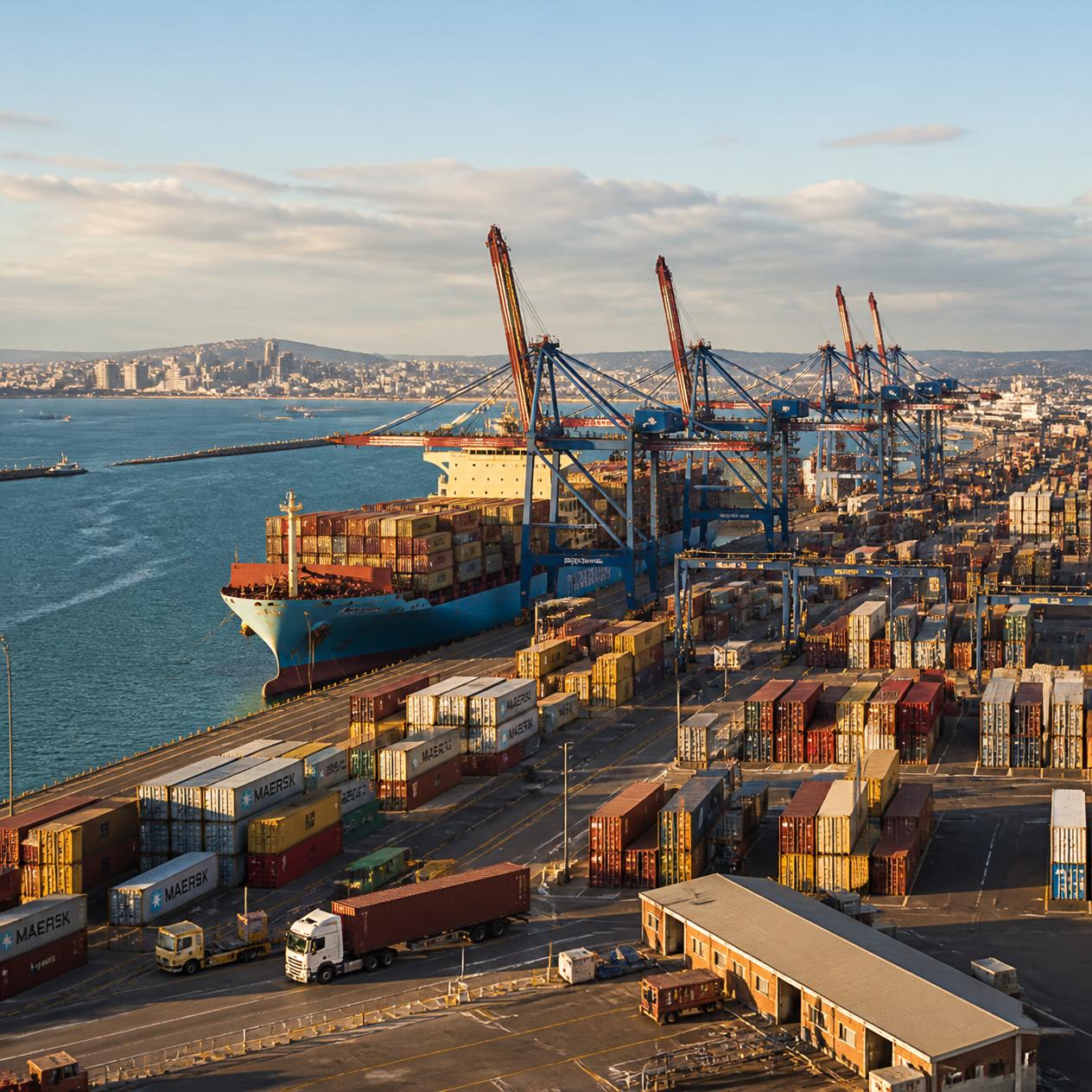
South Africa's busiest container port, handling the bulk of the country's containerised import and export volume — and consequently the site where terminal congestion most often affects release timelines.
Cape Town Harbour
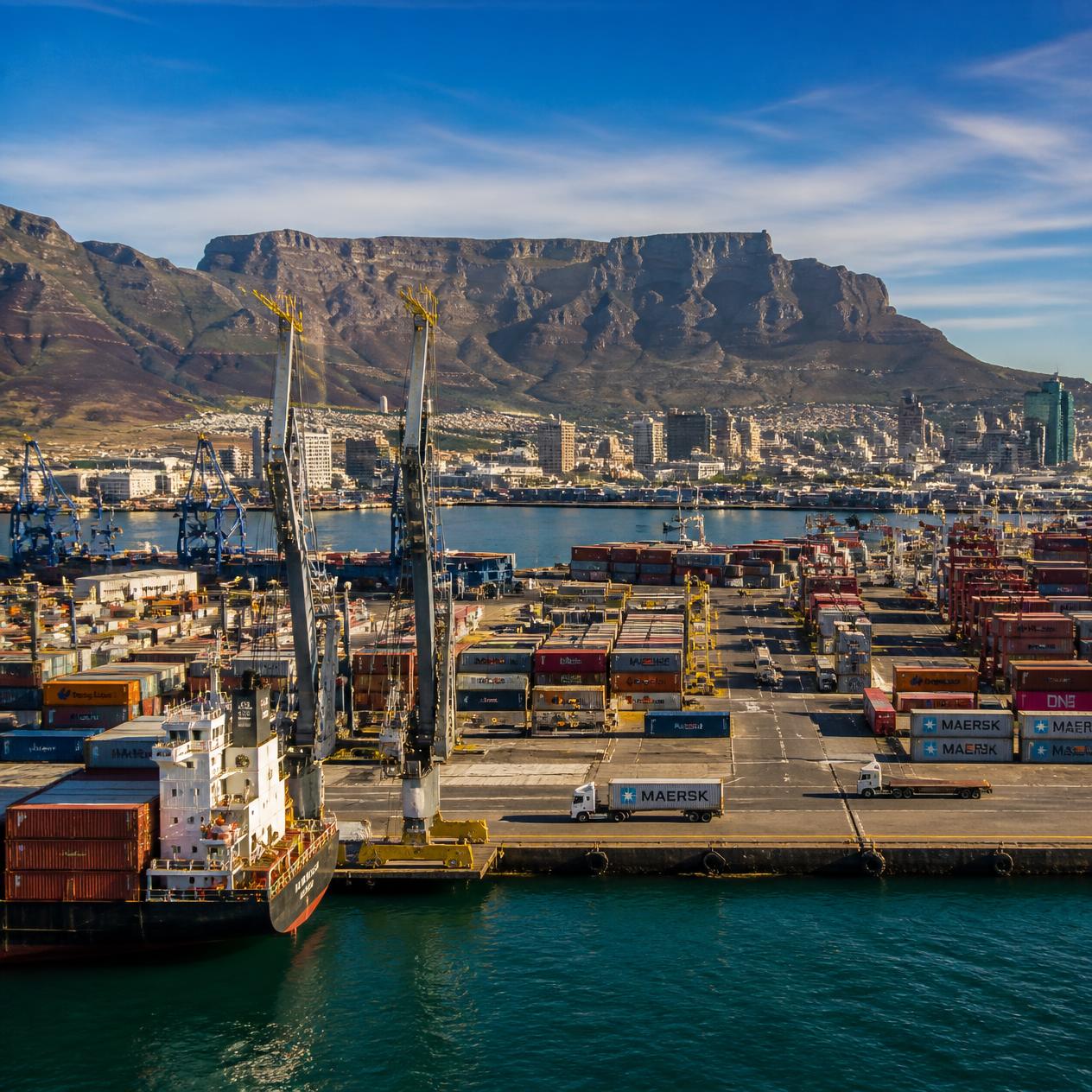
A key entry point for Western Cape importers and exporters, and for Atlantic and European trade routes, where we coordinate directly with terminal operators on container availability.
Ngqura (Coega)
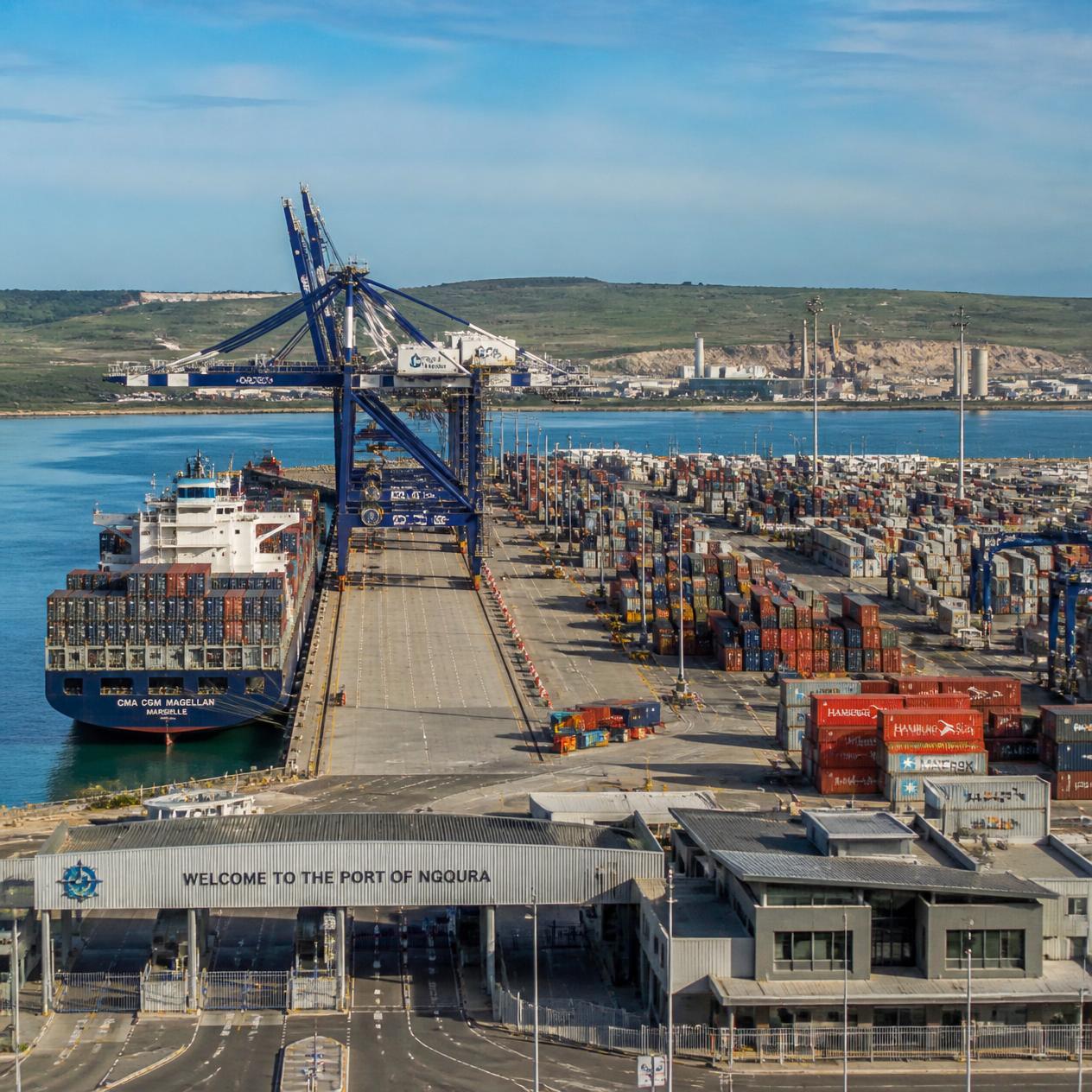
A deep-water container terminal serving Eastern Cape trade, increasingly used as an alternative routing when Durban capacity is constrained.
Beit Bridge
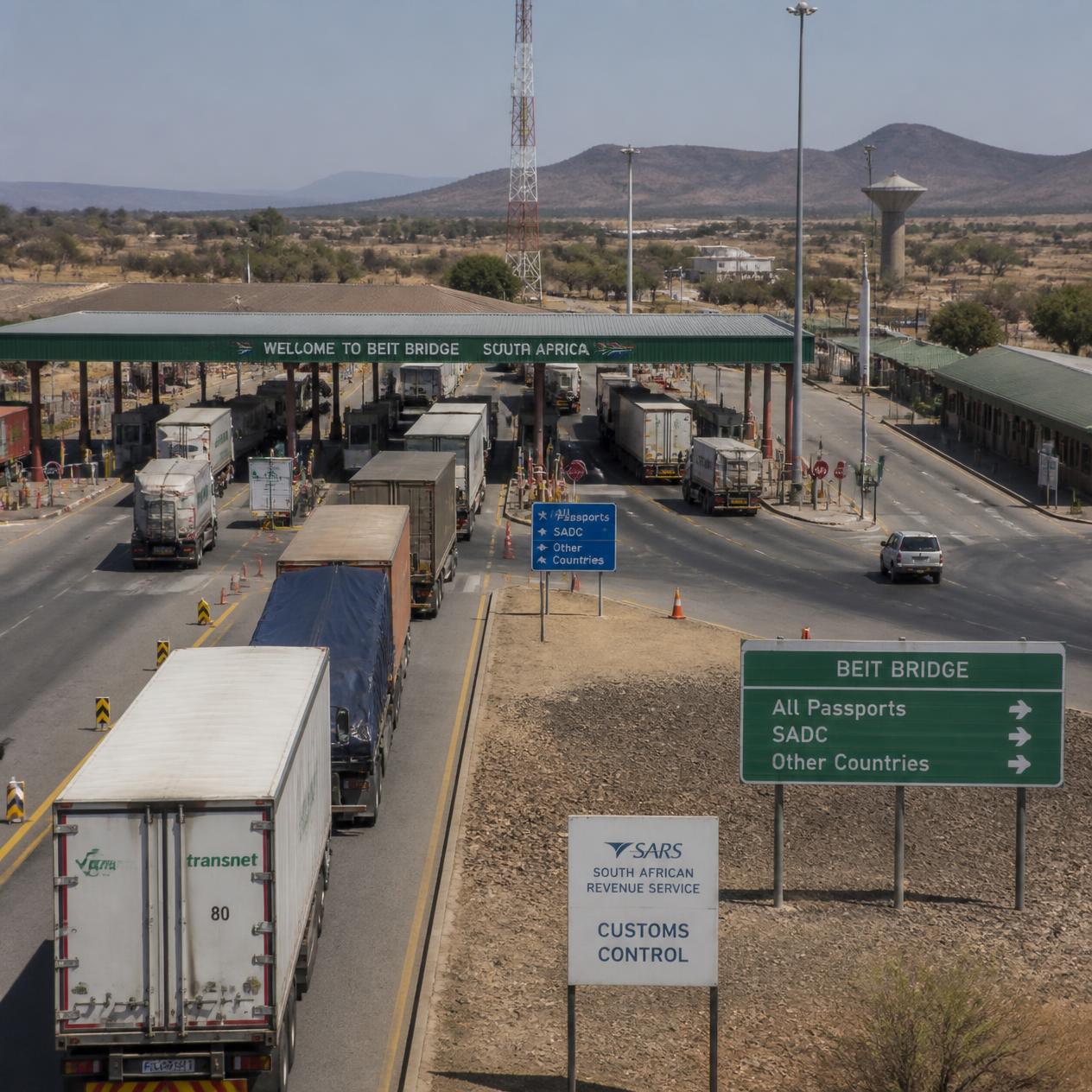
South Africa's busiest land border post and the primary route into Zimbabwe and onward SADC destinations, where transit documentation and border coordination go hand in hand.
Other Commercial Border Posts
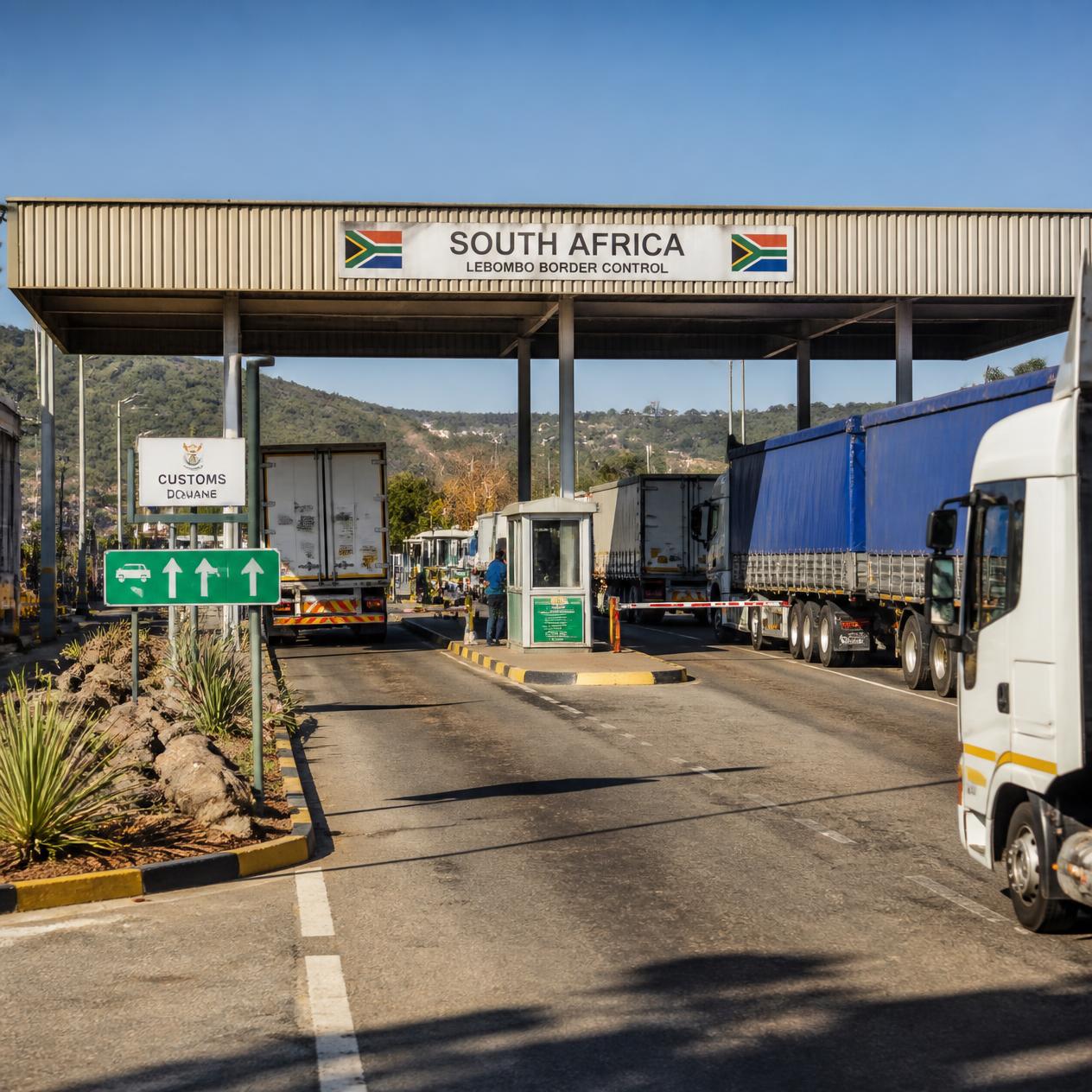
Lebombo, Kopfontein, Skilpadshek, and further SARS-designated crossings, each coordinated according to that specific post's processing patterns.
Why Coordination Matters More Than Customs Clearance Alone
Getting a customs declaration right is only half the job. A perfectly filed declaration can still sit unreleased if nobody is following up with the terminal operator, shipping line, or border control post on the ground. We track each shipment through to physical release — not just electronic sign-off — liaising directly with port and border officials so nothing stalls in the handover between systems and people.
Coordinating Multi-Port Shipment Volumes
For businesses importing or exporting through more than one port or border post, we consolidate visibility across every entry point into a single point of contact, rather than requiring your team to manage separate relationships per location.
Where Coordination Fits Into the Bigger Clearance Picture
Port and border coordination isn't a service that stands apart from customs clearance — it's the operational half of it. A declaration can be filed perfectly and a shipment can still stall if nobody is chasing the physical release with the terminal or border post on the ground. We treat coordination as inseparable from clearance itself: the same team that files your customs declaration is the team following up with the port or border post until your cargo is actually released.
Why Terminal and Border Post Relationships Matter
Ports and border posts each have their own operational rhythms, peak congestion periods, and informal processing quirks that don't show up in any published guideline. Having an established, ongoing relationship with the terminal operators and border officials at each entry point means we know who to call and what to ask for when a shipment needs a nudge — rather than starting from zero with each new query.